


.png)


Study MBBS Abroad: Top Countries
for Medical Education

RUSSIA


LATVIA
GEORGIA

POLAND

MALTA


LITHUANIA
KYRGYZSTAN
ROMANIA

NEPAL
To become a doctor in India, you need either high academic merit or a lot of money. Many students travel abroad to pursue their medical careers, usually moving from eastern to western countries. This is due to better university infrastructure, global exposure, and specific specializations and career opportunities.
In India, getting an MBBS seat in a government college is extremely difficult because of limited infrastructure and faculty availability. The government has tried to improve this by easing the rules for opening new medical colleges and relaxing faculty qualifications. Despite these efforts, securing an MBBS seat remains a dream for many.
Government reports show that over 40% of non-clinical and 65% of clinical faculty positions in new medical colleges are unfilled, which negatively affects students' education. Each year, it becomes harder for aspiring doctors to get an MBBS seat. In 2023, around 18,000 Indian students are studying medicine abroad, which is over one-third of the number of students in private medical colleges in India.
Overview

Challenges of Medical Education in India
Securing an MBBS seat in a government college in India is extremely competitive due to the limited number of seats and inadequate infrastructure and faculty in medical colleges. Despite government efforts to increase the number of medical colleges and ease academic requirements for faculty, the availability of MBBS seats remains insufficient. Reports indicate significant shortages in clinical and non-clinical faculty, particularly in newly established colleges, which severely impacts the quality of education. Consequently, each year, the chances of securing an MBBS seat in India diminish, driving many students to seek medical degrees abroad.

Demand for Medical Seats

In 2023, over 2.1 million students competed in the NEET-UG exam to secure one of the limited MBBS seats in 706 government and private medical colleges across India. Despite an increase of 23,000 seats due to new colleges opening, the probability of gaining admission has decreased from 6.68% to 5.29% over the past five years. India’s doctor-to-population ratio is significantly below the global standard, highlighting the urgent need for more healthcare professionals
High Tuition Fees in
Private Medical Colleges
Private medical colleges in India offer three types of seats: government, management, and NRI. The high cost of management and NRI seats, ranging from 6 million to 17.5 million INR, makes it nearly impossible for middle-class families to afford. Additionally, private colleges often suffer from poor infrastructure and low patient inflow, diminishing the value of their medical programs. This financial barrier, coupled with the requirement to pass the NEXT exam to practice in India, makes studying abroad a more appealing option.

Advantages of Studying MBBS Abroad

Studying MBBS abroad offers numerous advantages over private medical colleges in India. Many foreign universities, both public and private, boast better global rankings and recognition from international medical bodies. They offer affordable tuition, extensive global exposure, and superior teaching methodologies. Small class sizes and diverse learning environments enhance the educational experience, making it an attractive alternative for Indian students.

Major Destinations for MBBS Abroad
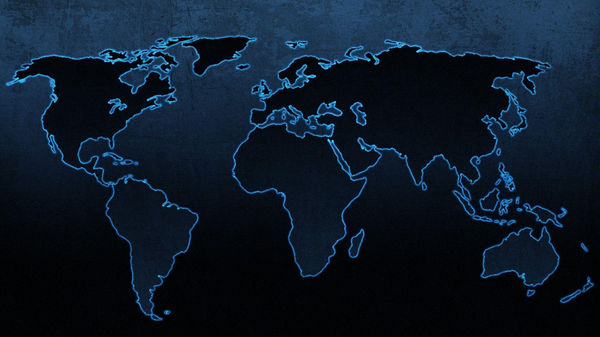

Students choose their study destination based on budget, education system, cultural ties, climate, and proximity to India. Popular destinations include countries in Asia (such as Nepal, Bangladesh, and the Philippines), Eastern Europe (such as Russia and Ukraine), and Europe (such as Poland, Romania, and Italy). Each destination has unique benefits and educational structures tailored to meet different needs and preferences.
Countries for MBBS in Asia
-
Nepal,
-
Kyrgyzstan,
-
China
Countries for MBBS in East Europe
-
Russia
-
Ukraine
-
Georgia
Countries for MBBS in East Europe
-
Poland
-
Romania
-
Italy
-
Lithuania
-
Latvia


Documents required for MBBS in Abroad

-
Last Date of Admission: The last date for admission to MBBS programs in Abroad is August or September.
1
Valid passport with at least 18 months of validity
2
High school & Higher Secondary mark sheet and certificate
3
NEET Scorecard / Admit Card
4
Recent Passport Size Colour Picture
Education Systems for MBBS Abroad
Asian Education System
Asian countries offer a 4.5 to 5-year MBBS program followed by a one-year internship. These programs produce general physicians who can practice independently after graduation.

European Education System
European programs typically span six years, including clinical rotations. The European Credit Transfer and Accumulation System (ECTS) ensures uniform education standards across the EU, facilitating academic mobility.
American Education System
In the Americas, students complete a Bachelor of Science (BS) before a four-year Doctor of Medicine (MD) program. The MD course includes two years of basic medical science and two years of clinical rotations, with specialization required for practice.

Eligibility Criteria for Indian Students To Apply For MBBS in Abroad.
To pursue MBBS in Abroad, Indian students must meet the following eligibility criteria:
-
The student must have completed 17 times the age on or before the 31st December in the year in which they are to be admitted.
-
The seeker should have sat and passed their Class 12, the advanced secondary level of education with credits passed in Physics, Chemistry, and Biology.
-
The minimum needed chance in Class 12 is 50 percent, with a pass in English.
-
The student must have qualified for the NEET examination for eligibility to apply for MBBS abroad.
-
Interested students can apply directly to the university or through an authorized representative in India.
Connect with Counsellors
For more detailed information and personalized guidance, connect with our experienced counselors to explore your options and make informed decisions about your medical education abroad.
_edited.png)


